
"German auto industry"
42000 article(s) found

Black tea flowers flavor La Tisa Manor in the Farahan Plateau of Guatemala
Coffee was really introduced into Guatemala in 1750 by Father Jesuit, where the coffee industry was developed by German colonists at the end of the 19th century. Today, most of the coffee industry's production takes place in the south of the country. There are seven main coffee producing areas in Guatemala: Antigua, Coban, Atitlan and Huehuete.

PROBAT German brand coffee roaster Tino model 800-1200g Large commercial coffee roaster
In 1864, due to the railway construction, Alexius van Glpen, the pioneer of coffee green beans in Emmerich, Germany, had the idea of promoting freshly roasted coffee beans to retailers in other regions. The first problem to be solved, however, was the need for a high-yield bean dryer. So I met a local worker in Emmerich.

The priest introduced the coffee tree to Guatemala
In 750, Father Jesuit introduced coffee trees to Guatemala, where the coffee industry was developed by German colonization at the end of the 19th century. Today, most of the coffee industry's production takes place in the south of the country. Here, the slopes of the Sierra Madre volcano provide ideal conditions for growing high-quality coffee beans and the vitality of coffee growing at high elevations.
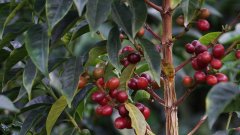
Guatemalan style Ladisha Manor Coffee Bourbon Kaddura High altitude Fine Coffee
Coffee was really introduced into Guatemala in 1750 by Father Jesuit, where the coffee industry was developed by German colonists at the end of the 19th century. Today, most of the coffee industry's production takes place in the south of the country. There are seven main coffee producing areas in Guatemala: Antigua, Coban, Atitlan and Huehuete.

Guatemala Fine Coffee beans at Latisha Manor in the Rahan Plateau
Coffee was really introduced into Guatemala in 1750 by Father Jesuit, where the coffee industry was developed by German colonists at the end of the 19th century. Today, most of the coffee industry's production takes place in the south of the country. There are seven main coffee producing areas in Guatemala: Antigua, Coban, Atitlan and Huehuete.

Price and operation of PROBAT German coffee roaster Tino model 800g-1200g roaster
Brand profile in 1864, due to the construction of the railway, Alexius van Glpen, a pioneer of raw coffee beans in Emmerich, Germany, had a whim to promote freshly roasted coffee beans to retailers in other regions. However, the first problem to be solved is the need for a high-output bean dryer. So I got to know a local worker in Emmerich.

Boutique Coffee at La Tisa Manor in the Farahan Plateau of Guatemala
Coffee was really introduced into Guatemala in 1750 by Father Jesuit, where the coffee industry was developed by German colonists at the end of the 19th century. Today, most of the coffee industry's production takes place in the south of the country. There are seven main coffee producing areas in Guatemala: Antigua, Coban, Atitlan and Huehuete.

Coffee producing area Manor Guatemala Coffee Manor La Tisa Manor
Coffee was really introduced into Guatemala in 1750 by Father Jesuit, where the coffee industry was developed by German colonists at the end of the 19th century. Today, most of the coffee industry's production takes place in the south of the country. There are seven main coffee producing areas in Guatemala: Antigua, Coban, Atitlan and Huehuete.

Introduction to the characteristics, taste and handling of Guatemalan coffee
The coffee industry was developed by German colonization at the end of the 19th century. Today, most of the coffee industry's production takes place in the south of the country. Here, the slopes of the Sierra Madre volcano provide ideal conditions for growing high-quality coffee beans, and coffee growing at high altitudes is full of vitality. Compared with other kinds of coffee, tasters prefer this kind of spicy flavor.

Guatemalan Coffee Incht Manor with low humidity and plenty of sun
Coffee was really introduced into Guatemala in 1750 by Father Jesuit, where the coffee industry was developed by German colonists at the end of the 19th century. Today, most of the coffee industry's production takes place in the south of the country. There are seven main coffee producing areas in Guatemala: Antigua, Coban, Atitlan and Huehuete.

Volcano San Marco coffee cup "cigarette coffee" Guatemala boutique coffee mellow overall texture
Volcano San Marco coffee cup measurement characteristics (VolcanicSanMarcoscupprofile) aroma and taste with subtle floral aroma, obvious acidity and good alcohol thickness. Coffee was really introduced into Guatemala in 1750 by Father Jesuit, where the coffee industry was developed by German colonists at the end of the 19th century. Today, most of the coffee industry's production takes place in the south of the country. Dangerous land

Describe my love for coffee in English
I like coffee so much that I have tea for breakfast: The first cup of the day in particular is so good that Im afraid I wont be able to properly appreciate it when I am half-asleep. Therefore, I celebrate it two hours later when I am fully

Introduction to the appearance characteristics of Guatemalan coffee beans
In 1750, Father Jesuit introduced coffee trees to Guatemala, where the coffee industry was developed by German colonization at the end of the 19th century. Today, most of the coffee industry's production takes place in the south of the country. Here, the slopes of the Sierra Madre volcano provide ideal conditions for growing high-quality coffee beans, coffee plants growing at high altitudes.

Introduction to the Flavor characteristics of the Historical stories of Coffee planting in Coban Koban Rain Forest in Guatemala Coffee producing area
For more information on coffee beans, please follow the Coffee Workshop (official Wechat account cafe_style) in 1750, Father Jesuit introduced coffee trees to Guatemala, where the coffee industry was developed by German colonization at the end of the 19th century. Today, most of the coffee industry's production takes place in the south of the country. Here it is, Sierra Madr
Central and South American Coffee Flavor washing Raw Coffee beans at La Tisa Manor in Guatemala
Coffee was really introduced into Guatemala in 1750 by Father Jesuit, where the coffee industry was developed by German colonists at the end of the 19th century. Today, most of the coffee industry's production takes place in the south of the country. There are seven main coffee producing areas in Guatemala: Antigua, Coban, Atitlan and Huehuete.

New Farmers' pursuit of Food Safety: return to their hometown to sell Coffee beans and earn more than 10 million a year
New farmers return to their hometown to sell coffee beans with a revenue of more than 10 million a year. In addition to a new round of capital going to the countryside, new farmers are also driven by the pursuit of food safety Shao Haipeng in November, which is the season for picking coffee beans in Hainan. Cheng Zongpei, president of the Baisha Meteorite Ridge Coffee planting Cooperative, is no longer worried this year. On the contrary, he is satisfied with the realization of his wish. The former Hainan Baisha coffee is like being kept in purdah.
Antigua Coffee, Guatemala
Coffee was introduced to Guatemala in 1750 by Father Jesuit, and German colonists grew the coffee industry here at the end of the 19th century. Today, most of the coffee industry is produced in the south of the country. Guatemala has seven major coffee-producing regions: Antigua, Coban, Lake Atitlan and Huehueten
Guatemala Antigua Flower Coffee
Coffee was really introduced into Guatemala in 1750 by Father Jesuit, where the coffee industry was developed by German colonists at the end of the 19th century. Today, most of the coffee industry's production takes place in the south of the country. There are seven main coffee producing areas in Guatemala: Antigua, Coban, Atitlan and Huehuet.

Guatemala Republic Coffee beans Flower-scented Coke of La Tisa Manor on the Farahan Plateau of Guatemala
Coffee was really introduced into Guatemala in 1750 by Father Jesuit, where the coffee industry was developed by German colonists at the end of the 19th century. Today, most of the coffee industry's production takes place in the south of the country. There are seven main coffee producing areas in Guatemala: Antigua, Coban, Atitlan and Huehuete.

The crisis behind Luckin Coffee's popularity! How can Starbucks catch up?
Professional coffee knowledge exchange more coffee bean information please follow the coffee workshop (Wechat official account cafe_style) November 20, 2018 Annual meeting on the Competitiveness of Chinese Enterprises was held in Beijing. Luckin Coffee (luckin coffee), the second largest new chain coffee brand in China, won the Best innovative Enterprise Award of the 2018 Outstanding performance Award for its innovative mode and service. 2018 (16th